
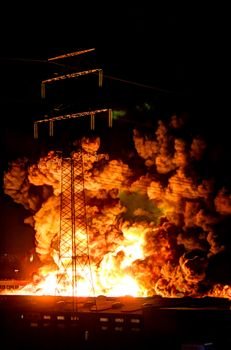
A fire at a factory in Sri Lanka has claimed five lives, raising urgent questions about workplace safety standards and regulatory enforcement in the country. The sheer loss of life in this incident underscores a pressing need for comprehensive safety assessments in industrial settings.

The grim toll of five fatalities highlights a tragic aspect of factory operations in Sri Lanka, where occurrences of such disasters remain uncomfortably prevalent. It is imperative to scrutinize the factors leading to these workplace accidents, especially in a nation that is striving to attract foreign investment and improve its economic standing. The link between safety standards and economic development cannot be overstated. Investors seek stable environments with stringent regulations, and repeated tragedies like this will, inevitably, raise red flags.
Moreover, these incidents frequently expose vulnerabilities within the regulatory framework itself. Why did such a hazardous situation exist in the first place? Industrial facilities should be subject to strict adherence to safety protocols, regular inspections, and transparent reporting mechanisms. However, persistent lapses often go unaddressed, creating a paradigm where safety is compromised for productivity.
Additionally, the socio-economic background of the factory workers cannot be overlooked. Typically, those employed in such environments may come from lower-income strata, making them particularly vulnerable. In the quest for profit, the human cost tends regrettably to be sidelined. This reinforces the call for advocates and labor rights groups to take a more proactive role in ensuring that the rights and safety of all workers are prioritized.
While the authorities may investigate this specific tragedy, it is crucial that an overarching policy discussion emerges. This discussion must not only focus on immediate fires but also on systemic change to prevent further loss of life. Policies should augment regulatory frameworks, emphasizing accountability and punitive measures for negligence. Without such an overhaul, we may find ourselves grappling with yet another tragic incident in the future—one that could, and should, have been averted.
The fire in this Sri Lankan factory serves as a somber reminder of the real and dangerous implications inherent in industrial labor. It is a call to action for policymakers, business owners, and society at large: the lives lost are not just statistics, but individuals whose safety should be non-negotiable.