
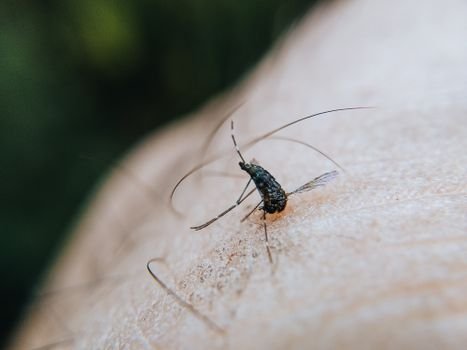
Sri Lanka finds itself grappling with a severe dengue outbreak, the most formidable it has faced in nearly a decade. This crisis is severe enough to elicit urgent responses from health authorities, underscoring the country’s ongoing struggle with vector-borne diseases. As cases rise, the backdrop of an overwhelmed healthcare system raises questions about preparedness and response strategies in a nation still on the road to recovery from previous crises.

Reports indicate that Sri Lanka is experiencing its worst dengue outbreak since 2014, a period marked by a transformational public health initiative that had temporarily diminished the threat from this mosquito-borne virus. The resurgence of dengue cases signals a lapse in effective preventive measures, with current figures revealing the occurrence of more than 35,000 reported cases this year alone. Such a stark figure should serve as a wake-up call for both the government and the public. It raises critical questions: What have been the catalysts for this resurgence? Is complacency seeping into public health policy?
Dengue fever, a condition exacerbated by environmental factors, is linked to the management of waste and stagnant water—ideal breeding grounds for the Aedes mosquito. Yet, the current outbreak reflects not just an environmental failure but also a governance issue. As urban areas in Sri Lanka expand, so does the need for comprehensive waste management solutions and public education campaigns that highlight the importance of eliminating breeding sites. Without going beyond reactive responses, the country risks falling into a cycle of outbreaks that become more complex over time.
Equally pressing is the health system’s ability to manage a growing number of cases. With hospitals already strained under the burden of dengue, one can only imagine the toll on medical staff and resources. How well-equipped are these facilities? A systemic analysis must take place to ensure that health professionals have the necessary tools to combat the escalating cases and that healthcare infrastructure isn’t further compromised.
This outbreak serves as a poignant reminder of the interconnectedness between public health and environmental stewardship. The implications of failing to address the root causes of dengue go beyond immediate health concerns; they touch on broader societal and economic ramifications as well. Each dengue case represents not only human distress but also potential economic loss in terms of healthcare expenses and lost productivity.
Ultimately, the battle against dengue in Sri Lanka demands a coordinated effort that goes beyond merely treating the sick. It requires a robust public health strategy that integrates environmental management, public education, and healthcare readiness. As the country navigates through this tumultuous period, the lessons learned must shape future policy to prevent such outbreaks, ensuring that history does not repeat itself. The time for a proactive stance is long overdue; the outbreak should not just be seen as a crisis, but as a pivotal opportunity for comprehensive reform in public health policy and environmental management.