
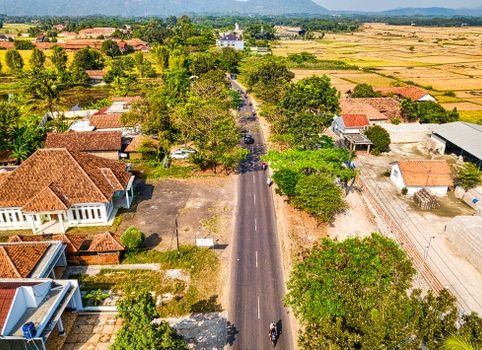
Cinnamon Citadel Kandy is unveiling an intriguing initiative with its Puranagama Village Experience, aiming to showcase Sri Lanka’s rich cultural heritage. While the effort to bring local traditions and lifestyle into the limelight should be lauded, it raises several critical points about authenticity, commercialization, and the true essence of heritage tourism.

At the heart of the Puranagama experience lies an attempt to create an immersive journey that purportedly allows visitors to engage deeply with local traditions. The vision is commendable: blending tourism with cultural preservation could foster a greater appreciation for Sri Lankan heritage. However, there is a fine line between genuine representation and a curated performance for the benefit of outsiders. When heritage becomes a spectacle designed for consumption, the risk is that it distorts the very culture it seeks to preserve.
The Cinnamon Citadel’s positioning as a facilitator for this experience is also worth scrutinizing. The initiative reflects a broader trend in hospitality where hotels seek to capitalize on cultural heritage as a unique selling point. Yet, this approach raises a question about the sustainability of such practices. Are local communities involved, or are they merely set pieces in a stage production aimed at enriching corporate profits? Engagement with local artisans and traditions should not serve as a temporary décor, but rather as a genuine partnership that benefits the community economically and socially.
Moreover, the effectiveness of this initiative in genuinely reflecting the diversity of Sri Lankan culture must be questioned. Heritage is not monolithic; it encompasses a multitude of narratives and experiences that vary widely across different regions and communities. To present a singular, romanticized version of village life risks homogenizing a complex cultural landscape and failing to address the contemporary realities faced by local populations.
Additionally, how does the Cinnamon Citadel plan to measure the impact of the Puranagama experience on both the visitors and the local community? Clear metrics regarding visitor engagement, local employment creation, or cultural transmission would lend credibility to the initiative. Without such data, claims of enhancing cultural appreciation can seem hollow.
Envisioning heritage tourism as a vehicle for community enrichment can indeed be powerful, but it requires a commitment to ethical tourism practices. The Puranagama Village Experience must be seen not just as a marketing tool but as an opportunity to forge meaningful connections between visitors and the local culture, ensuring that the community is genuinely heard and represented.
In summary, while the Cinnamon Citadel Kandy is embarking on an ambitious platform to showcase Sri Lanka’s heritage, it is essential to approach such initiatives with a critical lens. The commitment to authenticity, respect for local traditions, and a clear framework for community involvement will ultimately determine whether this venture transcends mere tourism and becomes a meaningful celebration of Sri Lankan culture.