
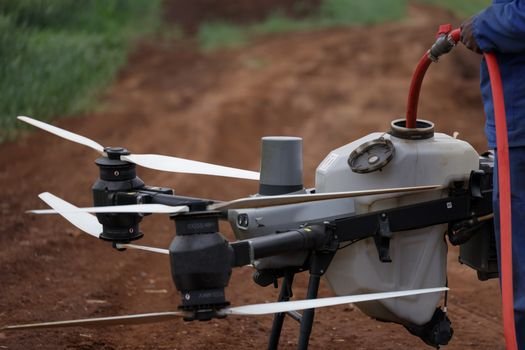
Sri Lanka’s recent decision to deploy Air Force drones to combat a rapidly spreading dengue outbreak marks an intriguing intersection of technology and public health policy. This approach, while innovative, raises critical questions about the effectiveness and implications of using military resources in healthcare crises.

Dengue fever presents a severe challenge in Sri Lanka, and the need for decisive action is evident given the increasing rates of infection across the country. The integration of drone technology for surveillance purposes has been highlighted as a potential game-changer in rapidly identifying and addressing affected areas. However, relying on military assets for civilian issues demands scrutiny. The use of drones indicates a level of urgency that is commendable, but it also signals a troubling trend where military solutions become a default answer to health crises.
In the face of rising dengue cases, using drones may enhance data collection capabilities and improve response strategies. The rapid dissemination of this mosquito-borne virus necessitates immediate and effective intervention. However, the implications of such surveillance extend beyond health outcomes; they touch on broader social and ethical considerations. How does the public perceive the intrusion of military technology into civilian life? Is there a risk that this approach might set a precedent for militarizing aspects of public health?
Furthermore, while the application of technology can undoubtedly streamline certain processes, it remains essential to critically assess whether deploying drones is the most effective use of resources. For instance, public health communication and community engagement are equally critical in tackling the vectors of dengue. A focus on education, community mobilization, and preventative measures often yields more sustainable outcomes in health crises than technological intervention alone. The question persists: will reliance on drones overshadow these fundamental public health strategies?
As Sri Lanka navigates this outbreak, the actions taken must be measured against the backdrop of long-term health policy and infrastructure development. Rapid tactics like drone surveillance must complement broader efforts aimed at addressing the root causes of mosquito proliferation, such as urban planning and waste management. An immediate technological solution may provide temporary relief but will not resolve the systemic issues contributing to the outbreak.
In conclusion, while employing Air Force drones is a response indicative of the severity of the dengue outbreak in Sri Lanka, it also highlights the necessity for a balanced approach that prioritizes comprehensive public health strategies. Future discussions must grapple with the appropriateness of military involvement in public health crises and the importance of community-driven solutions that foster resilience against diseases like dengue.