
Sri Lanka is grappling with its largest dengue outbreak in a decade, prompting authorities to deploy an array of modern strategies, including drones and military aid, to combat the crisis. This situation raises several critical issues about public health preparedness and environmental management in the face of emerging threats.

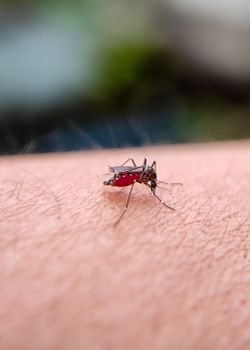
At the heart of this outbreak is the stark reality that dengue fever, transmitted by mosquitoes, poses a persistent threat to public health across tropical regions. Sri Lanka has not seen such a significant surge in cases for ten years, which should serve as a wake-up call regarding the effectiveness of existing mosquito control measures. The reliance on technology, such as remote-controlled drones, highlights a dual-edge sword: while innovative solutions can enhance surveillance and data collection, they underscore a failure to address root causes that allow the epidemic to proliferate.
The involvement of military resources marks a troubling intersection of health and security. The deployment of troops provides a significant manpower boost during an outbreak, yet it raises questions about the sustainability of such an approach. Should public health crises necessitate military intervention, it may illuminate systemic shortcomings within health infrastructures. Are we witnessing a reactionary rather than proactive approach to public health?
Furthermore, it is imperative to analyze the underlying environmental factors contributing to this outbreak. Climate change has escalated the frequency and intensity of weather phenomena, creating ideal breeding conditions for mosquitoes. Overcrowding in urban areas, inadequate waste management, and stagnation of water sources further exacerbate the situation. Examining these issues may yield valuable insights into long-term solutions that go beyond immediate technological responses and military assistance.
The current crisis in Sri Lanka serves as a stark reminder that public health requires an integrative strategy that combines technology with robust community engagement and environmental stewardship. Without acknowledging and addressing the broader context that fuels such epidemics, short-term fixes may only catalyze future outbreaks, resulting in a continuous cycle of reactive measures rather than sustainable health management solutions.