
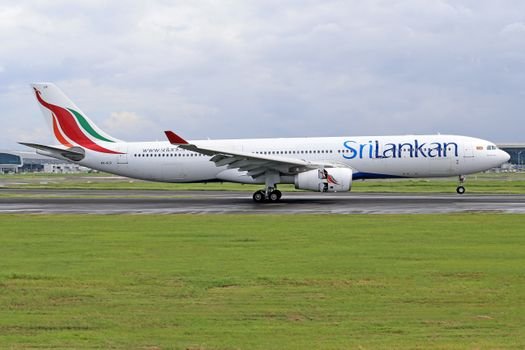
The suspension of Kuwait flights by Sri Lankan Airlines for one week due to regional tensions reflects not only operational decisions but also the broader implications of international relations on the aviation industry. This incident, while seemingly a routine response to heightened geopolitical risks, raises critical questions about the stability of airline operations when political climates shift.

With the modern traveler significantly impacted by any alterations in airline schedule, a one-week suspension may appear minimal on the surface. However, the ramifications for passengers, tourism, and business travel in Sri Lanka and Kuwait could be more substantial. Travelers who may have planned their itinerary around these flights now face potential disruptions, forcing them to reconsider alternative travel arrangements at a time when the global tourism industry is still in recovery from the pandemic’s devastation.
This situation further underscores the interconnectedness of air travel and geopolitical stability. Countries with active flight routes often find themselves entangled in the diplomatic intricacies of their partners, where a single eruption of regional tension can catalyze immediate operational changes. For Sri Lanka, historically viewed as an entry point for travelers between Europe and Asia, maintaining reliable air service to the Gulf states is crucial, especially given the continued economic dependency on remittances from expatriates working in these regions.
Moreover, the decision to halt flights raises questions about the risk assessment measures employed by airlines when navigating international markets. Strategic decisions that might prioritize safety over operations can also lead to questions of systemic vulnerability—if tensions escalate further, how prepared is the airline to adapt? Such operational pauses may inadvertently signal a lack of confidence in the region’s stability, compelling other airlines to evaluate their own routes to similar destinations.
The suspension is not just a logistical hiccup but serves as an indicator of how commercial entities are influenced by the political landscape. It brings forth the crucial dialogue about how airlines articulate their crisis management strategies to reassure passengers and stakeholders during such volatile periods. As tensions continue to brew, the aviation sector must remain vigilant and adaptable, lest further disruptions threaten not just routes, but also broader economic stability.
In navigating these challenges, Sri Lankan Airlines now finds itself at a crossroads, with the eyes of the traveling public and industry watchers fixed on how it manages this situation. The coming week will not only determine the immediate fate of its flights to Kuwait but will also serve as a litmus test for how effectively it can respond to external pressures while maintaining operational integrity. The stakes are undeniably high, with the implications of this suspension resonating far beyond just one flight route.