
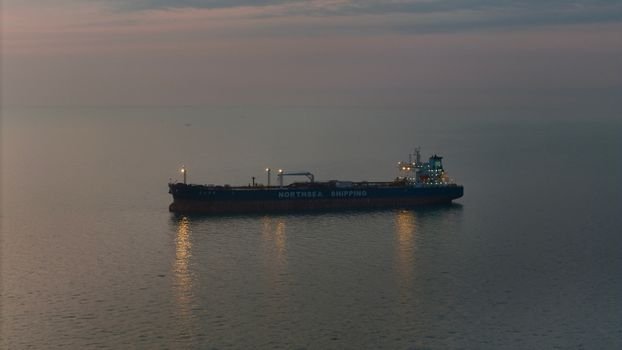
As tensions in the Hormuz Strait escalate, the ripple effects are reaching far beyond the immediate geopolitical landscape, impacting economies thousands of miles away. In Sri Lanka, this has manifested in a downward trend in stock market performance, highlighting the interconnected nature of global economies in the face of regional conflicts.

The Sri Lankan stock market is facing challenges precisely as global oil prices are influenced by rising fears related to oil shipping routes through the Hormuz Strait. This area is a crucial chokepoint for approximately 20% of the world’s oil supply. Any disruption there fuels uncertainty and, accordingly, negative investor sentiment. The direct correlation is striking: when commodity prices fluctuate due to geopolitical events, markets around the world respond, and Sri Lanka’s economy is no exception.
As Sri Lanka grapples with the realities of this situation, it underscores a broader narrative about vulnerability in emerging markets. Investors in Colombo are not simply reacting to local fiscal policies or corporate earnings; they are navigating a complex web of international influences. The current downtrend isn’t merely a reflection of national economic policies but a direct response to global volatility.
The implications for Sri Lanka are profound. With the stock market trending downward, questions arise about the stability of the economy, particularly as it continues to recover from its own domestic challenges, including structural inefficiencies and past financial crises. The interconnectedness of these events cannot be overstated; adverse international developments can derail local recovery efforts, hindering growth prospects and investor confidence at a time when both are desperately needed.
The need for proactive measures in such an unpredictable global landscape is paramount. Sri Lanka’s policymakers must acknowledge these international dynamics and craft strategies that not only shore up local resilience but also enhance the country’s capacity to weather external shocks. This scenario calls for a nuanced approach that balances domestic fiscal discipline with a keen awareness of global economic currents.
As tensions in Hormuz increase, it is evident that the repercussions extend far beyond the immediate parties involved. The situation serves as a reminder that in the highly interconnected global economy, stability in one region can easily affect markets in another, revealing vulnerabilities that policymakers cannot afford to ignore. For Sri Lanka, proactive adaptation to these challenges is no longer a luxury; it has become a necessity for sustainable economic growth.