
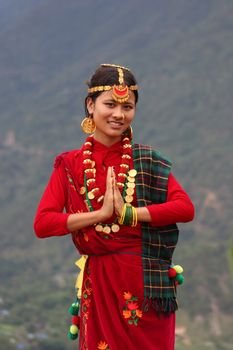
Nepal’s participation in the recent South Asian summit in Sri Lanka was marked by a display of fashion talent that purportedly champions the nation’s rich cultural heritage and modern creativity. Such events are often met with fanfare, yet they also warrant a critical examination of the broader implications surrounding cultural representation and commercial viability.

Fashion shows, particularly those held on international platforms, can serve as a double-edged sword for participating nations. On one hand, they offer a unique opportunity for visibility and the promotion of local artisans and designers. The showcasing of Nepalese fashion is undoubtedly a step towards cementing its place in the global fashion landscape. However, the effectiveness of such showcases can be diluted if the presentation is not backed by robust support from the local industry. The sustainability of these creative endeavors raises questions about whether they translate into tangible economic benefits for local designers or merely serve as decorative tokens on the geopolitical stage.
Moreover, the challenge persists—beyond aesthetic appreciation, will the garments and designs resonate with a broader audience? The South Asian fashion market is ripe with potential, yet it remains fragmented. It would be prudent to investigate the specific strategies employed by Nepalese designers to navigate this complex landscape. Are they merely exporting traditional motifs, or are they innovating in ways that reflect contemporary issues and global trends?
Cultural appropriation is another angle that merits scrutiny. While the mingling of cultural influences can enrich the global tapestry of fashion, care must be taken to avoid exploitation of cultural symbols by those who do not share the originating context. Nepal’s designers must ensure that their contributions are viewed as authentic representations rather than commodified caricatures.
Furthermore, practical aspects concerning the logistics of such events also deserve attention. The cost of participation, travel, and production must be weighed against the potential benefits for the individuals and institutions involved. Without concrete backing and a clear financial framework, participation may ultimately become a more significant risk than opportunity.
In summary, while showcasing Nepalese fashion at the South Asian summit in Sri Lanka is certainly a momentous occasion, it compels a deeper analysis. The prevailing questions of cultural integrity, market sustainability, and genuine economic advantage must not be sidelined in the excitement of the spectacle. Engaging critically with these factors can help pave the way for a more meaningful presence on international platforms, ensuring that Nepal’s fashion narrative is as compelling as the creations themselves.