
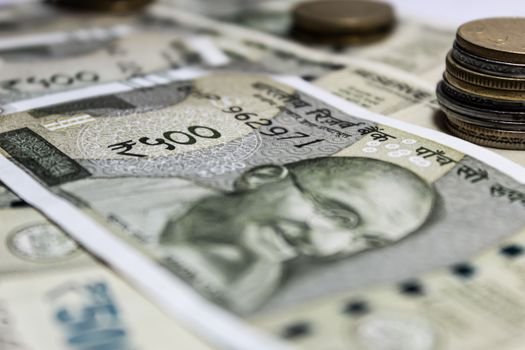
The recent influx of US$23.2 million in Sri Lankan rupee bonds purchased by foreign investors raises important questions about both the country’s economic stability and its appeal to international markets. This transaction—a significant movement in the ongoing financial narrative of Sri Lanka—hints at complex underlying dynamics in investment trends and trust in national governance.

On the surface, the acquisition of US$23.2 million worth of bonds may seem like a positive indicator in a nation that has faced prolonged economic difficulties, primarily exacerbated by political instability and the repercussions of the COVID-19 pandemic. It highlights a glimmer of confidence among foreign investors in Sri Lanka’s fiscal management and recovery prospects. However, such optimism necessitates closer scrutiny, for it invites skepticism regarding the sustainability of this interest.
The foreign capital inflow comes amidst a backdrop of recent government reforms aimed at stabilizing the economy. Yet, the rapid influx of capital can often indicate a speculative approach rather than a fundamentally sound investment strategy. Investors may be leveraging favorable interest rates while seeking short-term gains rather than committing to a sustained growth trajectory. This distinction is crucial—while US$23.2 million may bolster the immediate fiscal position, it does not inherently translate to long-term economic health.
Furthermore, one must consider the geopolitical implications of such purchases. The attractiveness of Sri Lanka’s bonds could reveal shifts in regional investment patterns, particularly amidst ongoing tensions and economic challenges in competing nations. If foreign investors are gravitating toward rupee bonds while avoiding other markets, it could signify a relative lack of confidence elsewhere, albeit with the risk that such intrigue may not signal a robust foundational trust in Sri Lanka’s political landscape.
As the government navigates complex debt restructuring discussions, the recent bond purchases could also represent a double-edged sword. Enhanced foreign interest may serve to temporarily alleviate pressures on governmental budget management but could lead to increased expectations from international financial institutions. Such expectations can create a tightrope for leadership; balancing foreign interests with domestic stability will be crucial in promoting a more resilient economy.
Looking ahead, it is important to observe whether this US$23.2 million infusion marks the beginning of a recovery trend or if it is merely a transient blip in foreign investment interest. The sustainability of such foreign capital flows—likely tied to the broader political climate, fiscal policy adjustments, and structural reforms—will be vital. If not managed prudently, the very bonds that signify renewed interest could also become burdensome if the expectations do not materialize into tangible economic benefits.
In summary, while the purchase of US$23.2 million in Sri Lankan rupee bonds reflects some level of confidence in the nation’s emerging financial outlook, it simultaneously spotlights the precarious nature of such investments and the larger challenges facing Sri Lanka as it rebuilds its economy amidst stormy waters.