
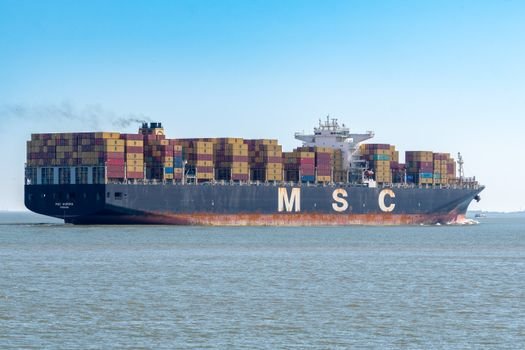
The recent announcement by MSC outlining new freight rates for shipping routes between India, Pakistan, Sri Lanka, and Bangladesh to Europe marks a significant development in the logistics and shipping sector. While these adjustments are part of the dynamic nature of global trade, they raise several critical questions about the underlying factors driving these shifts and the implications for regional economies.

Understanding the specific context of these new rates is essential. Freight rates serve as a barometer for demand and capacity. Increased rates can often signal heightened demand for shipping capacity or disruptions in supply chains. The implications are profound: higher freight costs typically translate into elevated prices for goods, which can dampen trade volumes and impact the broader economy.
For countries like India and Pakistan, which largely depend on exports, the new rates could exacerbate existing economic challenges. The cost of shipping has a direct influence on the competitiveness of these nations’ products in European markets. If the new rates are significantly higher than their competitors, this could price local manufacturers out of the market, ultimately harming their growth prospects.
Furthermore, the implications extend beyond mere shipping costs. As logistics costs rise, firms may face pressure to absorb these expenses or pass them on to consumers, leading to inflationary pressures. For both end consumers and businesses reliant on imported goods, these changes could create a ripple effect, particularly in sectors that are sensitive to price fluctuations.
Additionally, operating within a global shipping landscape that is still grappling with the aftermath of the pandemic means that these new rates may reflect not only immediate market demands but also longer-term strategic shifts. The effects of supply chain disruptions, increased energy prices, and geopolitical tensions must be considered in this new pricing framework.
This situation also raises questions about the role of consolidation within the shipping industry. Large operators like MSC have increasingly gained market power, raising concerns about their ability to set freight rates without sufficient checks and balances. Such dominance may drive rates higher, potentially leading to anti-competitive behaviors that warrant regulatory scrutiny.
As shipping companies adjust their rates, stakeholders at all levels must closely monitor these developments. Businesses should be prepared for the potential for increased costs, while policymakers need to consider how these changes could affect economic growth and stability within their jurisdictions. The ripple effects of these new freight rates will be felt across various sectors, underscoring the interconnectedness of global commerce and the crucial role of transport logistics in shaping economic outcomes.