
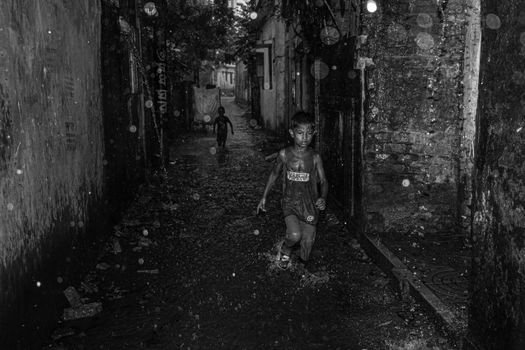
Sri Lanka is now poised on the brink of a climatic shift as it braces for the potential impact of El Niño. This natural phenomenon, which routinely disrupts weather patterns globally, threatens to undermine the country’s agricultural stability and economic resilience. As the anticipation mounts, it becomes imperative to scrutinize the implications of what could be a damaging phase for the island nation.

The onset of El Niño is characterized by warmer ocean temperatures that can trigger a cascade of severe weather events, from prolonged droughts to unexpected rainfall. For Sri Lanka, with its economy heavily reliant on agriculture, this presents formidable risks. Historically, the country has struggled with consistent weather patterns; thus, this looming threat could exacerbate problems that have already stunted growth and food security.
Particularly alarming is the potential for diminished rainfall, which directly affects crop yields. Given that agriculture accounts for a significant portion of Sri Lanka’s GDP, any adverse weather resulting from El Niño would not only devastate farming communities but could also prompt inflationary pressures as food becomes scarce. Farmers and their families may soon find themselves caught in a vicious cycle of rising prices and declining earnings, heightening socioeconomic disparities across the nation.
Moreover, policymakers must act swiftly to develop comprehensive strategies that mitigate the anticipated impacts of El Niño. This includes not only investment in infrastructure to handle adverse weather conditions but also creating contingency plans to support vulnerable communities. What’s evident is that relying solely on reactive measures may not suffice; a proactive approach that anticipates potential disruptions to supply chains and direct support to farmers could be the difference between resilience and catastrophe.
With the country already grappling with challenges from previous climatic events, the brewing storm of El Niño serves as a stark reminder of the urgent need for long-term resilience planning. Stakeholders, including government officials and non-governmental organizations, should prioritize climate adaptation strategies that can withstand these increasingly volatile weather patterns. Only through collaborative efforts can Sri Lanka hope to emerge stronger in the face of a climate reality that is becoming increasingly unforgiving.
The looming threat of El Niño should not simply be viewed as a climatic contingency; it is a clarion call for comprehensive systemic change within the agricultural sector and beyond. Failing to heed this warning could cost lives, destabilize communities, and set back progress for a generation.