
Sri Lanka finds itself at a critical juncture as discussions surrounding its economic recovery intensify. In light of recent seminars conducted by the Organization of Professional Associations (OPA), the focus on resilience and growth pathways becomes both timely and necessary. The nation grapples with a myriad of challenges, yet these conversations—while commendable—ignite deeper questions regarding the robustness of these strategies.

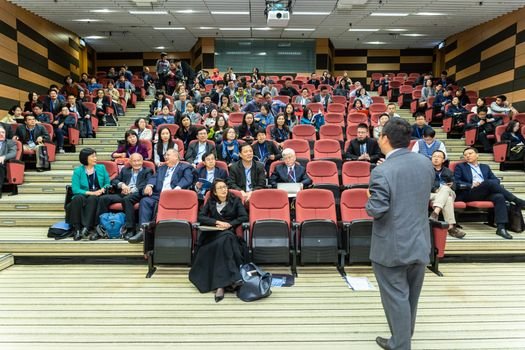
The seminar brought various stakeholders together to analyze the intricacies of economic recovery strategies. Participants included government officials, economists, and representatives from several industry sectors. Their collective insights emphasize the need for a multi-faceted approach that can withstand the vagaries of both domestic mismanagement and global economic shifts. Here lies a pivotal challenge: while the aim is to bolster growth, the precise pathways appear somewhat nebulous.
Statistics should serve as the backbone of any recovery strategy, and the specifics highlighted during these discussions underscored this necessity. For instance, economic narratives often depend heavily on metrics indicating growth potential, but without clear indicators such as GDP percentages, employment rates, and sector-specific outputs, projections remain frustratingly abstract.
Moreover, resilience must not be merely a buzzword but should encompass actionable, measurable frameworks that can adapt to evolving economic landscapes. This requires data to assess not only where Sri Lanka stands today but also where it is heading and what obstacles lie ahead. The seminar’s emphasis on a collaborative model suggests a recognition of the complexities facing the economy—from high inflation to currency depreciation—but fails to address how shared experiences and knowledge could translate into rapid, on-the-ground implementation of solutions.
The discourse also begs scrutiny regarding the voices represented. While a variety of stakeholders were present, the question remains: do these discussions fully capture the perspectives of those most affected by economic distress? Micro and small enterprises, often the backbone of employment, might find their concerns sidelined amidst grander discussions of economic systems and recovery strategies. For effective recovery, the input from these segments is not just beneficial; it is essential.
On the path to recovery, the reliance on traditional metrics and frameworks might prove inadequate. As the seminar highlighted avenues for future growth, one must critically assess whether the focus is too narrow. Sustainable recovery will hinge on innovative financial instruments, digital transformation in sectors like agriculture, and the tapping of new markets—none of which will materialize through conventional approaches alone.
In conclusion, Sri Lanka stands on the precipice of economic transformation, but the robustness and authenticity of its recovery strategies demand continuous introspection and adaptation. The seminar provided a platform for discussion, yet it is the translation of these discussions into concrete, measurable outcomes that will truly dictate the nation’s resilience and growth. As the OPA continues to lead these dialogues, ensuring that they are inclusive, data-driven, and action-oriented will be vital for navigating the rocky economic terrain ahead.