
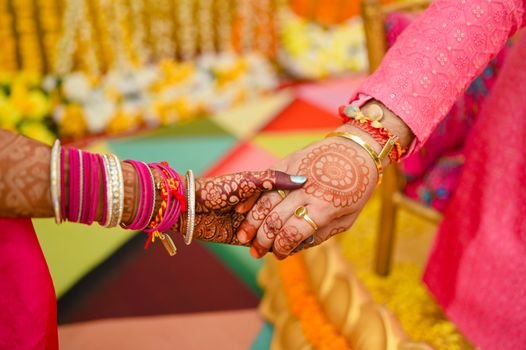
Sri Lanka is firmly establishing itself as a favored destination for Indian weddings, according to a recent report by WedMeGood. While the allure of picturesque beaches, lush landscapes, and vibrant culture undoubtedly plays a role in this trend, a closer examination reveals a multifaceted approach to the wedding industry that extends beyond aesthetic appeal.

The rise of Sri Lanka as a wedding hotspot corresponds with a noticeable shift in consumer preferences among Indian couples. As wedding spending continues to grow—averaging around ₹5 crores for a single event—it’s imperative to explore how this pivot reflects deeper cultural and economic trends. Localization of wedding services can enhance the experience, supporting local economies while offering a unique flavor to matrimonial ceremonies. Sri Lanka’s burgeoning reputation as a wedding destination highlights its potential not just as a picturesque venue but also as a participant in the increasingly lucrative destination wedding market.
This transition raises pertinent questions regarding the sustainability of such a trend. The influx of Indian weddings can provide substantial economic benefits to Sri Lanka, yet it also accompanies the potential for cultural commodification. How will policymakers and local stakeholders balance the economic gains with the preservation of cultural identity? The charm of a destination is often its unique local customs, but when weddings become engineered for the foreign eye, there lies an inherent risk of diluting those traditions into mere spectacles.
Logistics present another critical angle. As the number of destination weddings increases, so does the demand for robust infrastructure—accommodations, transportation, and event management services. A seamless wedding experience in Sri Lanka hinges on the island’s ability to scale its services to meet this new demand. Are local suppliers ready for this influx, or will foreign vendors dominate the landscape, shaping it to their advantage?
In addition, the accessibility of Sri Lanka from major Indian cities is a significant factor. Short travel times enhance the appeal for couples looking to celebrate with ease. As the Indian wedding market increasingly embraces experiences instead of mere extravagance, destinations that can offer both convenience and unique experiences will likely continue to thrive.
The emergence of Sri Lanka in this domain underscores the broader shifts in the global wedding industry. As couples seek out more than just traditional venues, the focus turns to experiences that create lasting memories. Advocates for cultural tourism argue this is a prime opportunity for Sri Lanka to showcase its heritage and promote authentic local experiences. The rise of technology and social media platforms has also opened doors for couples to share their narratives, further fueling this trend.
Ultimately, the choice of Sri Lanka as a wedding destination speaks volumes about evolving cultural values and consumer preferences. The implications of this trend warrant careful consideration from all stakeholders involved. As Sri Lanka positions itself on the wedding map, the balance between attraction and authenticity will determine its long-term success in this competitive landscape.