
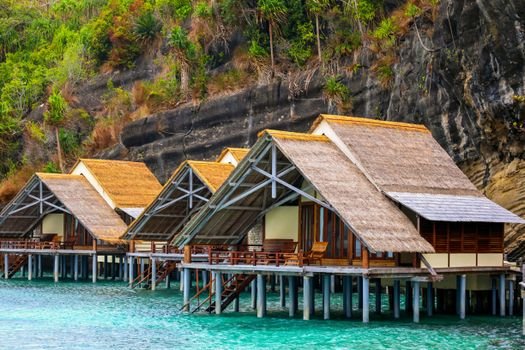
Sri Lanka has embraced a notable alliance with countries like Indonesia, Malta, Portugal, and Tanzania in an effort to position itself as an affordable destination for tourists seeking scenic adventures, cultural heritage, and exceptional value. This strategic move reflects broader trends shaping global travel, particularly the increased focus on budget-friendly options that appeal to a diverse range of travelers. However, this collaboration raises questions about the sustainable management of tourism resources and the potential ramifications for local communities.

Sri Lanka’s endorsement as an “affordable island escape” is significant, especially given the surging demand for travel options that are both economically feasible and rich in unique experiences. Tourists today are increasingly prioritizing cultural authenticity and immersive experiences over merely picturesque vistas. Aligning with countries that share this vision can amplify Sri Lanka’s appeal, potentially attracting a higher influx of international visitors who are navigating post-pandemic travel decisions.
While the promotion of budget-friendly travel may seem like a panacea for a country still grappling with economic challenges, care must be taken to ensure that this influx of tourism does not lead to the degradation of local ecosystems or cultural sites. Without clear frameworks to manage such growth, the ambition to redefine travel could backfire, turning into overcrowding and environmental stress. Countries like Malta and Indonesia, for example, have faced criticism for failing to strike the right balance between tourism development and preservation efforts.
The allure of exploring places steeped in cultural heritage speaks to a segment of travelers eager for authenticity. However, Sri Lanka and its partners must remain vigilant about how to promote this heritage responsibly. Cultural appropriation, commodification of local traditions, and the economic disparity between locals and foreign tourists are pressing issues that can arise as tourism expands. Respecting and preserving local customs while providing avenues for their expression will be essential.
Additionally, the mention of “exceptional value” for international tourists serves as a reminder that competitive pricing should not come at the cost of quality or experience. There is a delicate equilibrium to maintain: ensuring affordability while also delivering the rich, nuanced experiences that define travel. It is imperative that Sri Lanka establishes itself as a leader not just in terms of cost but in service and engagement, setting high standards that could ripple positively through the partnerships it forges.
In conclusion, as Sri Lanka ventures into this cooperative travel landscape with other nations, the focus on affordability and cultural richness must be matched by a commitment to sustainability and genuine local engagement. Failure to navigate these complexities could jeopardize the very experiences the country aims to market. As travelers seek out affordable yet meaningful adventures, Sri Lanka has both a challenge and an opportunity to redefine what budget-friendly tourism can look like in the 21st century.