
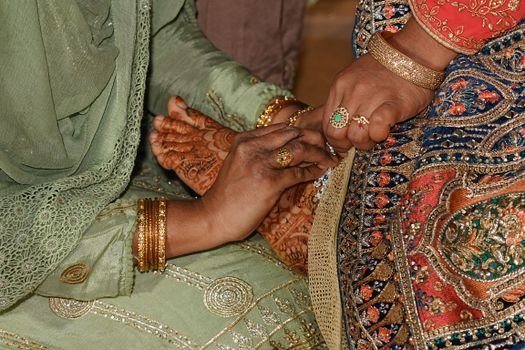
Sri Lanka has emerged as a favored destination for Indian weddings, prompting a closer examination of both the potential benefits and pitfalls of this growing trend. In an era where destination weddings have become synonymous with opulence and exclusivity, Sri Lanka offers a blend of scenic beauty, cultural richness, and, importantly, competitive pricing.

The allure of getting married amidst the beaches and lush landscapes of Sri Lanka is not just about aesthetics; it’s also a strategic choice. Couples are increasingly enticed by the prospect of luxurious experiences at a fraction of the cost that such extravagance might command elsewhere. This price differential is particularly appealing in the context of escalating wedding costs in India, where lavish ceremonies can drain significant resources.
Yet, beyond the immediate attraction of affordability, one must scrutinize the implications of this trend for Sri Lanka’s hospitality and tourism sectors. A surge in Indian weddings can bring substantial economic benefits to the region, spurring growth in local employment and generating additional revenue for the hotel industry. As destination wedding planners and couples flock to Sri Lanka, the hotelier landscape may very well transform, with increased demand leading to upgraded services and facilities.
However, the situation warrants careful attention to the sustainability of this influx. Rapidly adapting to cater to an upsurge in weddings could strain local resources and infrastructure. There is a tangible risk that the charm of Sri Lanka’s hospitality might erode if the focus shifts predominantly towards catering to large Indian wedding parties, potentially neglecting the needs and experiences of domestic tourists and the local populace.
Moreover, the influx of Indian wedding parties could exacerbate seasonal peaks in tourism, leading to overcrowding in certain hotspots and escalating costs for local residents. As Sri Lanka climbs the Indian wedding wishlist, it becomes crucial for stakeholders—hoteliers, local governments, and communities—to strike a balance between capitalizing on this trend and preserving the very essence that makes Sri Lanka an attractive destination.
In conclusion, while the ascent of Sri Lanka as a preferred wedding locale signals a promising economic opportunity, it also opens the door to complex challenges that must not be overlooked. Ensuring that this burgeoning sector benefits all parties involved will require careful planning, community engagement, and a commitment to sustainability. The wedding craze may shine a bright spotlight on Sri Lanka now, but its long-term appeal hinges on fostering a harmonious relationship between visitors and the local environment.