
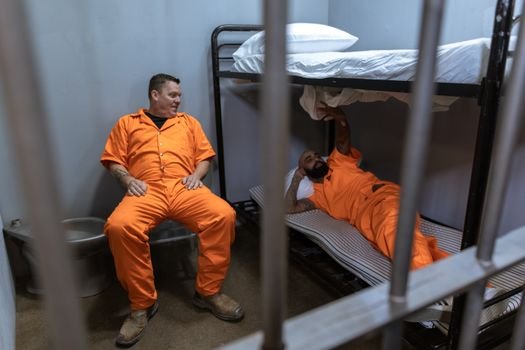
The recent surge in prison riots is presenting a daunting predicament for the New People’s Party (NPP) in Sri Lanka. In a country where the prison system has historically failed to address the root causes of crime, the uprising within these facilities highlights a systematic breakdown. The residents of these prisons are not just statistics; they embody a deeper societal challenge, underscored by the nation’s socioeconomic disparities.

Particularly troubling is the fact that the government has classified these tumultuous events as “unexpected.” This statement belies the reality pervasive in the country’s incarceration system, where overcrowded conditions and inadequate facilities frequently set the stage for unrest. The persistent issues within the prison walls should not be allowed to fade from political discourse, particularly as the NPP stands at a crossroads.
Sri Lanka’s political landscape has been marred by instability and a lack of proactive governance. When faced with crises such as these riots, political leaders have an obligation to take the long view, addressing systemic issues rather than merely treating symptoms. The riots, which significantly disrupt not only the prison system but also public safety and the political climate, serve as both a warning and an opportunity for recalibration.
Economic data reveals that a concerted focus on rehabilitative measures could lead to a drastic reduction in recidivism. Countries that have invested in reforming their prison systems have seen up to a 50% decrease in repeat offenses. If the NPP were to take ambitious steps in prison reform—investing in vocational training, mental health services, and education within these facilities—the potential pay-off could be multifaceted: fewer crimes, safer communities, and a strengthening of public trust in governance.
Political opponents will undoubtedly use these riots as ammunition against the NPP, framing them as a reflection of poor management and complacency. Whether the NPP can pivot this turmoil into an opportunity for genuine reform remains to be seen. If leaders continue to treat these events as mere disturbances rather than as symptoms of underlying societal issues, they risk further alienating an already disenchanted populace.
At the heart of this issue is the concept of accountability—both for the government and the broader political framework that shapes incarceration in Sri Lanka. The failure to recognize the complexity of criminality and the factors leading individuals to prison will perpetuate a cycle of violence and unrest. With national attention now focused on the conditions within these facilities, the NPP must leverage this moment for substantive change rather than letting it dissipate into occasional political spin.
Such an approach could not only mitigate the risk of future riots but could also reconstruct the narrative surrounding the penal system in Sri Lanka—from that of punitive confinement to one of rehabilitation and reintegration. Ultimately, the challenges posed by these riots may serve as a turning point for the NPP, provided there is a willingness to confront long-standing issues that have plagued the nation’s criminal justice system. The road ahead is fraught with challenges, but the opportunity for meaningful change lies within grasp.