
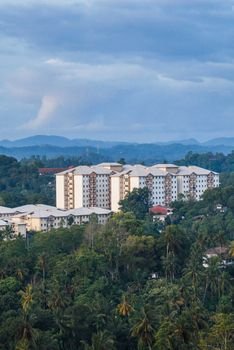
The recent inauguration of the Faculty of Medicine at Sabaragamuwa University in Sri Lanka, aided by the Saudi Fund for Development, symbolizes both tangible progress in educational infrastructure and the intricate geopolitical relationships that shape such investments. This collaboration is set against a backdrop of challenging economic conditions within Sri Lanka, where the need for educational improvements is acutely felt.

The Saudi Fund for Development’s involvement indicates a broader strategy to bolster soft power through aid and investment in education. For Sri Lanka, which grapples with both financial constraints and a pressing demand for improved healthcare services, this new faculty could play a critical role in training the next generation of medical professionals. The opening of a medical faculty represents not merely the establishment of a new building or curriculum but also the hope for enhanced health outcomes and increased access to medical education for local communities.
This collaboration highlights the intersection of international aid and local needs. The financial backing from Saudi Arabia, while welcome, raises questions about the long-term implications for Sri Lanka’s sovereignty and dependence on foreign aid. Will this investment lead to a sustainable model of educational upliftment, or will it further entrench reliance on external funding sources? The faculty’s operation and its capacity to sustain itself beyond this initial investment will be crucial in determining the true impact of this partnership.
Furthermore, the implications of such foreign investment can ripple through the local economy. As students graduate from this new medical faculty, they can contribute significantly to the healthcare sector, which has faced immense strain during economic turmoil. However, critical scrutiny is necessary: are there measures in place to ensure that the graduates will serve the local population effectively, or will we witness a brain drain where skilled professionals seek opportunities overseas?
In summary, while the inauguration of the Faculty of Medicine at Sabaragamuwa University is an encouraging step for Sri Lanka’s education and healthcare systems, it calls for an ongoing evaluation of its implications for national autonomy and the capacity for self-sufficiency in medical training. The actions taken in the months and years ahead will define whether this initiative leads to a sustainable enhancement of local expertise or simply serves as another chapter in the complex dynamics of international assistance.