
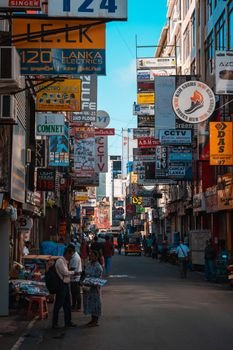
The analysis surrounding the current state of Colombo, Western Province, Sri Lanka, often misses the complexity of the region’s evolving socio-economic landscape. With significant developments occurring against a backdrop of political tension and economic challenges, the implications of these events demand closer scrutiny.

Colombo stands as both the capital and an emblematic hub of Sri Lanka’s struggles. The ongoing economic difficulties, exacerbated in recent years, require immediate attention. Data points that indicate rising inflation, unemployment rates, and inflation’s impact on basic commodities are often cited, but the real story lays in the temporal and human dimensions of these shifts.
Many analysts focus solely on GDP and foreign investment figures, neglecting the lived experiences of those residing in the Western Province. The consumer price index continues to climb, resulting in rising living costs that hit the lower and middle class hardest. A fascinating yet troubling statistic to consider is that, as of now, basic food items have seen price hikes between 20 to 30 percent within just a year, a significant burden that does not appear sustainable.
Infrastructure development projects launched in Colombo, while impressive on paper, must also be examined critically. The desire for modernization and urbanization clashes with the need to address underlying economic disparities. As international developers come in with lucrative deals, questions arise about accountability and transparency in how these funds are utilized, especially amid allegations of corruption that have plagued previous endeavors.
Social unrest can be a byproduct of economic deprivation, and Colombo is no stranger to protests. Recent mobilizations among citizens demand not just economic relief but also an inclusive governance approach that favors public interest over private gains. The challenges presented by this unrest are compounded by the ongoing political uncertainties. The fear is that these economic and social dilemmas could evolve into a broader crisis if not addressed timely.
Ultimately, the situation in Colombo demands a rigorous analysis beyond superficial metrics. While economic figures provide a snapshot of the current state of affairs, they do not tell the complete story. The focus must shift towards sustainable development and policies that prioritize the welfare of the citizens, lest Colombo finds itself spiraling deeper into the mire of neglect and despair. The city’s future hinges not just on numbers, but on the values and actions that drive its governance amid ever-present challenges.