
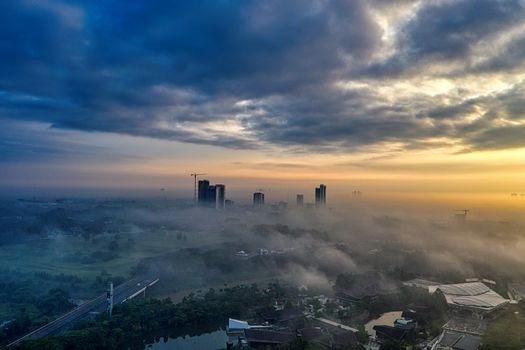
Akurana’s air quality situation demands urgent attention. The region’s Air Quality Index (AQI) serves not only as a numerical representation of pollution levels but as an alarming indicator of public health risks. The deterioration of air quality in Akurana raises critical questions regarding environmental policies and institutional responsibilities in Sri Lanka.

The AQI is a direct reflection of the complexities surrounding urban pollution. This numerical value cannot be seen as mere data; it is an alert regarding the safety of the air residents breathe. Each increment in the AQI potentially correlates with increased health risks—especially respiratory issues—yet public awareness regarding these dangers remains insufficient. This gap underscores a significant failure in effectively communicating air quality threats to the populace, raising concerns about both governmental transparency and public health advocacy.
One must scrutinize the accessibility and responsiveness of Sri Lankan authorities regarding pollution monitoring. The AQI is not merely an academic statistic; it represents the everyday reality for thousands of residents. Without proactive measures, like stricter regulations on emissions and immediate public health interventions, the situation can worsen. Authorities must prioritize developing educational programs that raise awareness of the AQI, equipping residents with knowledge about when air quality is dangerously poor and what actions they can take to protect themselves.
Infrastructure also plays a critical role in addressing air quality issues. Aging facilities, a lack of green spaces, and insufficient public transport options contribute to sustained pollution levels. The environmental policy direction must focus on integrating sustainable urban planning strategies that reduce reliance on combustion-based transportation and industrial practices.
The priority for Sri Lanka must transition from reactive measures to proactive, long-term strategies. The civil society’s engagement cannot be understated here either. Initiatives aimed at community involvement in pollution reduction activities could foster a culture of environmental responsibility, driving both local and national interests toward cleaner air.
Akurana’s air quality serves as a microcosm of broader environmental challenges faced in Sri Lanka. If the government and its citizens remain passive in the face of increasing pollution, the consequences will extend far beyond statistics; they will manifest in deteriorating public health and quality of life. Let the numbers be a call to action rather than an echo of complacency.