
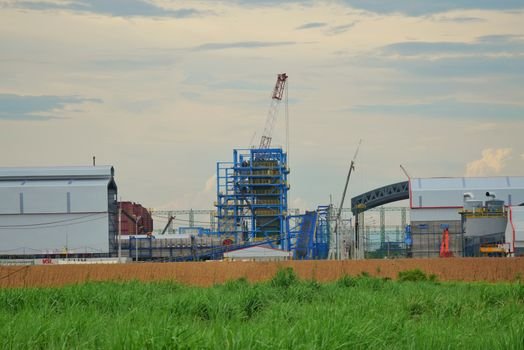
The proposal by President Rumen Radev of Bulgaria to develop a joint nuclear power plant at the Belene site with Ukraine raises a host of critical considerations, particularly in terms of energy security and geopolitical dynamics in Eastern Europe. While the collaboration aims to bolster energy independence and enhance regional cooperation, the implications of such a partnership warrant thorough examination.

At the heart of the proposal lies the strategic necessity for both nations to reduce reliance on external energy sources, particularly in the wake of fluctuating geopolitical relationships in the region. For Ukraine, which continues to grapple with the ramifications of conflict with Russia, diversifying energy suppliers is paramount. About 70% of Ukraine’s domestic energy supply was historically dependent on Russian imports. Aligning with Bulgaria not only provides a counterbalance but strengthens Ukraine’s energy sovereignty.
Bulgaria’s energy landscape has its own complexities. The country has been attempting to reinvigorate its nuclear ambitions since the previous attempts to develop the Belene facility were shelved, estimated at an investment of approximately €3 billion. The newly proposed joint venture could provide the necessary financial muscle and technological expertise to turn this long-stagnant project into a working nuclear power facility. The broader implications of this development could enable Bulgaria to fulfill its energy obligations, particularly in meeting EU carbon reduction targets, utilizing nuclear energy as a low-emission source.
However, the partnership is not without its challenges. The plan has already encountered skepticism regarding the financial viability of the Belene project. Previous attempts to kickstart this nuclear venture faced immense financial and technical hurdles, raising questions about whether this latest collaboration can overcome the legacy of inadequacies. The projected costs are significant, and the prospect of securing financing from stakeholders wary of nuclear energy’s costs and risks presents a formidable barrier.
Environmental implications must also be at the forefront of this discussion. Nuclear energy, while low in carbon emissions, carries inherent risks associated with waste disposal and potential disasters. Both Ukraine and Bulgaria would need comprehensive strategies to address these environmental concerns and ensure that public sentiment does not turn against the project.
Finally, the political ramifications of this collaboration could further complicate the geopolitical landscape. Building a stronger nuclear alliance between these two nations might attract attention and scrutiny from neighboring countries, particularly Russia, which has vested interests in maintaining its influence over energy supplies in Eastern Europe. The project could catalyze a reaction that may lead to heightened tensions in the region, making diplomatic relations a pivotal concern.
In summary, Radev’s proposal for a joint Bulgaria-Ukraine endeavor at the Belene NPP is emblematic of the broader aims for energy independence and regional stability. Yet, the significant financial projections, historical complexities, environmental ramifications, and geopolitical implications underscore the delicate balance that must be navigated as both nations consider breathing life into this ambitious project. The outcomes of this collaboration could reverberate throughout Eastern Europe for years to come.