
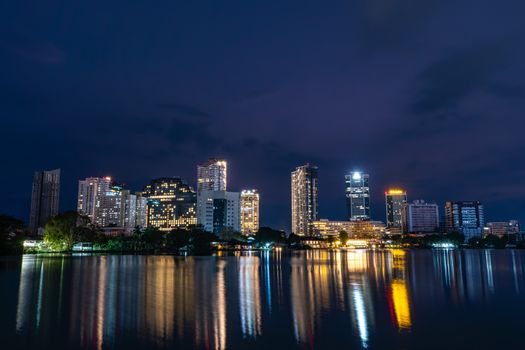
Sri Lanka is embarking on an ambitious project to transform the Colombo area around Beira Lake and the Gangaramaya Temple into a world-class cultural and travel landmark. This initiative aligns the country with global tourism destinations, signaling a strategic move to bolster its position in the competitive tourism market. Yet, beneath the surface of this development lies a host of critical considerations that merit scrutiny.

The Beira Lake area and the iconic Gangaramaya Temple hold immense cultural significance; however, the transformation project risks commodifying these historical treasures. In an era where authenticity is prized by travelers, Sri Lanka must ensure that it doesn’t erase the very characteristics that make these sites unique. As tourism often prioritizes aesthetics over authenticity, one must question whether this project intends to celebrate the cultural heritage or simply slap a glossy finish on what could become another homogenized tourist trap.
Economic boosters tout the potential benefits of increased visitor numbers, which is commendable. Yet, the exact scale of anticipated economic impact remains unclear. The government must deliver clear projections on how many tourists it expects to attract and, crucially, how this influx will benefit local communities. Will this venture ensure that a significant portion of revenue stays within Colombo, or will it predominantly enrich foreign investors and large hotel chains?
Also, as Sri Lanka collaborates with international tourism players, transparency becomes critical. Stakeholders, especially local businesses and residents, deserve clarity on who will be responsible for managing these sites post-transformation. History is littered with examples where local stakeholders were sidelined in favor of global initiatives that didn’t prioritize community interests. It is essential for the country to create a model that integrates local input in its planning processes.
Furthermore, the environmental impact of transforming a natural landscape such as Beira Lake should not be overlooked. Sri Lanka has the opportunity to set an example of sustainable tourism, but this will require more than superficial development. The government should prioritize green infrastructure, ensuring that environmental conservation is at the forefront rather than sidelined.
As Sri Lanka pursues this transformation, the challenge will be to balance economic development with cultural preservation and environmental sustainability. The world is watching to see whether the nation can navigate this delicate balance, creating an enticing destination without sacrificing the heritage that makes it special. The stakes are high, and the path forward will require thoughtful engagement with both local communities and the global tourism framework. In this ambitious endeavor, Sri Lanka must not lose sight of what makes Colombo—and its treasures—worth visiting in the first place.