
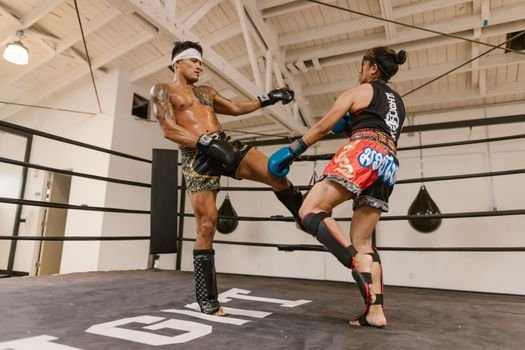
Sri Lanka is stepping into the ring with its first International Muay Thai Fight Night, an event that signals not only an expansion of the sports culture on the island but also presents questions about infrastructure, athlete support, and the long-term vision of combat sports in the region. With the announcement from MAIN Championship, the implications of this inaugural event extend beyond the immediate thrill of competition and touch upon broader issues affecting Sri Lanka’s sports landscape.

Muay Thai, often referred to as the “Art of Eight Limbs,” involves intricate techniques utilizing strikes from hands, elbows, knees, and feet. By introducing an International Fight Night, Sri Lanka hopes to boost its visibility in the global sports arena. The event promises to attract international competitors, thereby enhancing the local sports ecosystem. Yet, a critical analysis reveals challenges that this burgeoning interest in Muay Thai must address.
One significant angle concerns athlete development and training facilities. The success of this event hinges not only on foreign participation but also on the capabilities of local fighters. Are they provided with adequate training, financial backing, and resources to compete at an international level? The commitment to elevating local talent will ultimately determine the longevity of such initiatives. Without a structured program to nurture athletes from grassroots levels, the international spotlight could become fleeting rather than a sustainable boost for Sri Lanka’s sports heritage.
Moreover, the economics of hosting international events in Sri Lanka cannot be overlooked. While the fight night presents a unique opportunity for tourism and local businesses, it also raises the question of cost versus benefit. The influx of foreign visitors could stimulate local economies; however, the infrastructure for such an event must be capable of supporting tourist needs, including accommodation, transportation, and security. Assessing the financial viability of the event and its potential return on investment is crucial, especially in a nation still navigating through various economic challenges.
Additionally, broader societal perceptions of combat sports can influence the success of Muay Thai in Sri Lanka. Historically, martial arts and combat sports can elicit mixed reactions; they may draw in enthusiasts while simultaneously facing opposition from conservative factions who question the value and morality of such competitions. Engaging these communities in dialogue about the benefits of sports as a means of discipline and personal development will be key to cultivating a supportive environment.
As the countdown to the Fight Night begins, the stakes are high for Sri Lanka. The event could serve as a catalyst for growth within the local sports framework while positioning the island as a noteworthy player on the international stage. Yet, without a firm commitment to develop local talent, maintain infrastructure, and address societal perceptions, the celebration around this fight night risks becoming a temporary spectacle rather than a stepping stone toward a robust combat sports culture. Only time will reveal whether this ambitious endeavor can achieve lasting impact in Sri Lanka’s athletic realm.