
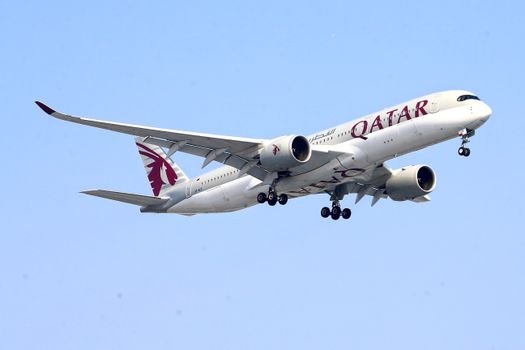
The recent announcement that Qatar Airways is restoring 35 weekly flights to Colombo marks a significant pivot for Sri Lanka’s aviation sector. This development arrives amid a turbulent backdrop for the country, which has been grappling with economic turmoil and a steep decline in tourism due to prior political instability and the global pandemic. Understanding the implications of this restoration requires a nuanced analysis.

First, a surge in flight frequency typically signals an uptick in demand, though in this instance, it is essential to scrutinize the underlying drivers. Are these restored flights indicative of a rebounding tourist market and growing confidence in the stability of Sri Lanka? Alternatively, does this reflect Qatar Airways’ own strategic maneuvering to capture a share of a recovering international travel market? The motivations behind such operational changes can reveal much about broader trends in both regional and global travel dynamics.
Next, the restoration of these routes could serve as a vital lifeline for Sri Lanka’s economy. The nation has been reliant on tourism as a cornerstone of revenue, and a significant increase in airlift capacity might rejuvenate this critical sector. However, it is important to consider whether the infrastructure, services, and safety measures in place are adequately prepared to support an influx of visitors. The government’s capacity to manage such a revival remains to be seen, especially given the pressures that preceded this flight increase.
Moreover, the implications for local stakeholders—hotels, transport services, and cultural attractions—should not be overlooked. A rise in arrivals can breathe life into businesses that have been dormant, but it can also pose challenges in terms of service delivery and sustainability. The prior operating environment has changed, and businesses must adapt swiftly to maintain competitiveness while also ensuring that the cultural and ecological balance of tourist hotspots is preserved.
Lastly, the geopolitical aspects of this development merit attention. With Qatar Airways enhancing its connectivity to Sri Lanka, one must consider how this affects regional ties and economic dependencies. Does increased air connectivity strengthen bilateral relations, further solidifying Sri Lanka’s role in the broader South Asian landscape? Or could it open Sri Lanka to undue influence from foreign entities?
The restoration of 35 weekly flights to Colombo represents not just a logistical adjustment but a significant chapter in Sri Lanka’s journey towards recovery. As stakeholders brace for the ramifications, the expectation should be tempered by a critical understanding of the evolving landscape—both locally and internationally. It remains crucial for policymakers and industry leaders to navigate this resurgence with foresight, ensuring that the opportunity for growth does not overshadow the need for responsible governance and sustainable development.