
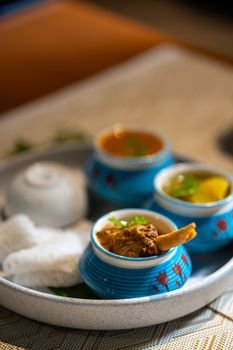
The culinary landscape of Sri Lanka continues to evolve, as evident in the Sheraton Colombo’s latest initiative, ‘Spice Trails of Malaysia’. This promotional effort seeks to immerse patrons in the rich, vibrant flavors of Malaysian cuisine. Such an endeavor not only serves as an attraction for locals and tourists alike, but it also presents a nuanced opportunity for cross-cultural dialogue through food.

However, the implications of this culinary initiative extend beyond mere palates. The Sheraton Colombo’s move can be positioned within the broader context of tourism revitalization in Sri Lanka, a nation still recovering from the impacts of various economic challenges and a lengthy pandemic-induced downturn. The choice of Malaysian cuisine underscores a strategic pivot away from traditional Sri Lankan offerings, suggesting a desire to broaden the culinary palette available in the island’s luxury dining scene. This reflects a significant trend within the hospitality industry, where establishments are increasingly integrating international flavors to enhance guest experiences.
Yet, it raises questions about authenticity and cultural appropriation. When Sheraton Colombo opts to promote another nation’s culinary practices, it distances itself from the local traditions that define Sri Lankan identity. Culinary identity is nuanced and deeply tied to the cultural heritage of a place. By spotlighting Malaysian spice profiles, does Sheraton inadvertently dilute the distinctiveness of Sri Lankan cuisine? Or does this actually serve as a bridge, fostering appreciation for food from other cultures while still celebrating its own?
Furthermore, one cannot ignore the competitive landscape. As hotels increasingly compete for attention in an era of digital marketing and travel writes, is there a risk that such promotions may become commodified experiences—artificial displays of culture rather than genuine culinary showcases? For many discerning diners, the texture and authenticity of food experiences matter. They signal not just the quality of the ingredients, but the stories and communities behind them.
The question of sustainability also looms large. Malaysian cuisine, known for its diverse ingredients and spices, prompts discussion about sourcing practices. Are the ingredients featured in ‘Spice Trails of Malaysia’ being sustainably procured? Given global emphasis on sustainable practices across food systems, such concerns should not be an afterthought in the execution of any culinary venture.
In conclusion, while ‘Spice Trails of Malaysia’ encapsulates a strategic move to attract a broader audience to Sheraton Colombo’s offerings, it prompts a necessary reflection on the balance between innovation and authenticity. Engaging with multicultural culinary experiences should be done with care, ensuring that such initiatives celebrate rather than overshadow the rich tapestry of Sri Lankan gastronomy. In the end, it is not just food that is being served at these dining experiences but also a representation of cultural interactions that, if navigated thoughtfully, could benefit both local and global communities.