
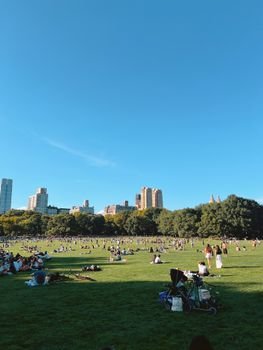
Home Lands has initiated the construction of the ‘Central Park Boulevard Port City Colombo,’ an ambitious project that aims to establish a new landmark along the Indian Ocean. The announcement is met with a blend of enthusiasm and skepticism, as the efficacy and long-term ramifications of such developments warrant close scrutiny.

First, the scale of the project is indicative of a broader trend in urban development, particularly in regions harboring aspirations for economic acceleration through high-profile real estate ventures. This project is touted as the “Indian Ocean’s Next Wonder,” a phrase that brings forth a connotation of grandeur but also raises questions about sustainability. Are these developments genuinely beneficial to the local population, or are they primarily serving external investors and speculators looking for profitable returns?
The potential for economic growth is often a significant selling point for projects of this magnitude. Expectations of job creation and enhanced infrastructure are standard narratives in promotional materials. However, the reality often unfolds quite differently. A clear focus on who will actually benefit from the jobs created during the construction phase, as well as the employment opportunities that will arise once the development is operational, should be a top priority in public discourse.
The implications for local communities cannot be overlooked. Informal settlements, which may exist near such developments, often face displacement or marginalization as property values soar, and the area experiences gentrification. The question remains: How will Home Lands address these socio-economic disruptions? Investing in community engagement and ensuring that benefits extend to local residents could counteract potential backlash.
Moreover, Sri Lanka’s geopolitical landscape plays a significant role in the attractiveness of such projects. The partnership and funding sources—whether domestic or international—also illuminate potential vulnerabilities that accompany such mega-projects. Concerns about debt dependency or external influence can emerge, complicating the narrative of national development. Clarity on funding sources, their long-term sustainability, and implications on national sovereignty are paramount as this project evolves.
On a tangible level, the venture into establishing ‘Central Park Boulevard’ ignites further debate regarding environmental concerns. With the Indian Ocean already facing threats from climate change and rising sea levels, does the design and implementation of this urban project take into account potential ecological repercussions? A comprehensive environmental impact assessment prior to project advancement is essential for managing risks associated with such large-scale developments.
Ultimately, as construction commences on the ‘Central Park Boulevard Port City Colombo’, stakeholders must tread carefully. The hope is that the development contributes positively to the local economy, integrates with surrounding communities, and prioritizes sustainable practices. Only time will reveal whether this venture emerges as a local boon or an external imposition masked as public progress.