
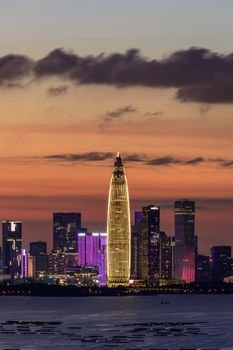
Sri Lanka has recently revealed its ambition to become a cornerstone of luxury tourism in South Asia with the launch of the City of Dreams, an integrated resort developed by Melco Resorts. This initiative marks an important milestone for the country, known for its natural beauty and cultural richness, as it aims to attract affluent travelers while diversifying its economy. However, the unfolding narrative surrounding this development must be approached with a discerning eye, balancing optimism with realism.

Melco Resorts is not a newcomer to luxury hospitality, boasting a global legacy that is expected to be replicated in this new venture. As Sri Lanka seeks to position itself as a competitive player in the luxury tourism market, one must consider the implications of introducing a high-end resort in a country still grappling with economic recovery. Sri Lanka’s economy has faced significant challenges recently, marked by unprecedented inflation rates and a surge in cost-of-living expenses. This raises questions about accessibility—will the City of Dreams cater exclusively to wealthier international tourists, or will it also create opportunities for local communities?
Moreover, introducing an integrated resort means not only a focus on luxury accommodation but also on gaming, entertainment, and leisure activities. This could potentially shape a new landscape for tourism in Sri Lanka. The issue of responsible tourism comes into play here. Will the City of Dreams prioritize sustainable practices, or will it risk overwhelming local ecosystems and communities? The model of integrated resorts has often been critiqued for their localized economic benefits versus the environmental and cultural costs they may impose.
Another point of analysis is the potential socio-economic implications of this luxury development. On the one hand, it could serve as a driving force for job creation, enhancing employment opportunities in the hospitality sector, which has been adversely affected. On the other hand, will these jobs be accessible to the local population, or will they inevitably cater to a more skilled labor force? Historical precedents in similar developments across the globe suggest a disparity between local needs and high-end resort requirements, potentially alienating communities rather than integrating them.
Challenges also lie ahead, as the current political climate in Sri Lanka may impact foreign investment confidence. Global investors often evaluate stability before committing capital; thus, the long-term success of the City of Dreams hinges on a conducive economic and political environment. The hospitality sector’s resilience in turbulent times will play a crucial role in ensuring that such developments are not merely surface-level attractions but contribute to the broader socio-economic fabric of the nation.
As Sri Lanka embarks on this ambitious venture with Melco Resorts, the critical narrative surrounding the City of Dreams serves as a reminder that luxury tourism can offer tremendous potential but must also be navigated thoughtfully. Balancing economic growth, cultural integrity, and environmental sustainability will be essential to ensure that Sri Lanka’s luxurious aspirations do not come at the cost of its rich heritage and community well-being.