
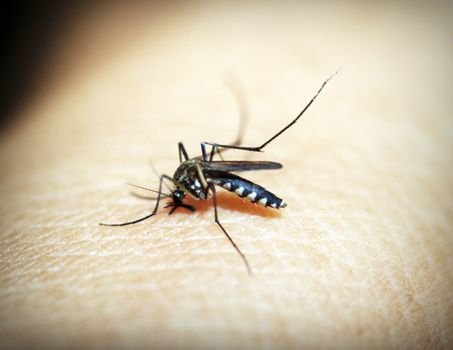
As dengue fever cases surge, Sri Lanka’s military has been mobilized to combat the increasing threat posed by dengue mosquitoes. This response raises significant questions about public health strategies and the role of the armed forces in health crises.

The government has reported thousands of dengue fever cases, highlighting the urgency of the situation. To ground the gravity of this endeavor, an alarming statistic reveals that nearly 25 people died last year from the disease, which implies a fatality risk that the authorities cannot afford to ignore. The military’s intervention underscores a departure from conventional public health measures, suggesting a crisis management approach that leans heavily on enforcement rather than prevention.
Utilizing troops to engage in vector control operations may send a convincing message about the national priority given to the dengue outbreak. The enlistment of military resources, however, poses critical questions about effective leadership and resource allocation in public health. While military discipline may lead to execution efficiency, it also signals a troubling dependency on armed forces for civil health issues. This reactive strategy raises concerns about whether government institutions responsible for public health are adequately supported and funded to tackle such endemic diseases proactively.
Moreover, the military’s involvement also highlights a potential shortcoming in addressing the root causes that allow the dengue virus to thrive, which are often tied to urban management, sanitation, and public awareness. Herein lies a significant oversight: without addressing the environmental and social factors contributing to the mosquito population’s increase — such as stagnant water and waste management — the cycle of outbreaks will likely continue, irrespective of military intervention.
This episode provides an opportunity for the Sri Lankan government to re-evaluate its public health framework. Effective long-term strategies must prioritize education, community engagement, and sustainable environment management alongside immediate tactical responses. A shift towards empowering local health authorities, enhancing public education campaigns, and investing in infrastructural improvements can significantly reduce the risks associated with mosquito-borne diseases.
Sri Lanka’s current predicament serves as a crucial case study in the interplay between public health crises and military engagement. The path forward must balance immediate response efforts with sustainable strategies that address the underlying issues contributing to dengue’s persistence. The mobilization of troops is a clear indicator of the severity of the situation, but reliance on militarized approaches necessitates scrutiny and calls for a holistic perspective on health and governance.